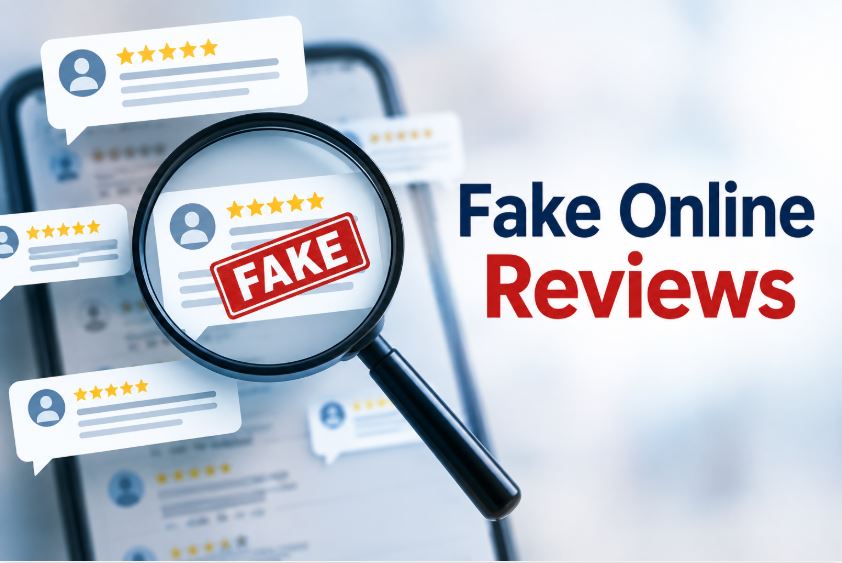
In a significant move to protect consumer trust in the digital marketplace, Singapore’s Competition and Consumer Commission (CCCS) has taken enforcement action against 45 businesses and a company that allegedly provided fabricated online reviews. The action marks one of the largest crackdowns on review manipulation in the country and signals a tougher regulatory stance against deceptive digital marketing practices.
Online reviews have become one of the most influential factors shaping consumer decisions. Whether selecting a restaurant, healthcare provider, retailer, educational institution, or technology vendor, consumers increasingly rely on ratings and reviews as indicators of quality and credibility. However, the growing commercialization of reviews has also created an ecosystem where businesses can artificially inflate reputations through purchased testimonials and fabricated customer experiences.
The latest enforcement action by Singapore authorities highlights concerns that fake reviews distort competition, mislead consumers, and undermine confidence in digital platforms. By targeting both the businesses that benefited from the reviews and the provider responsible for generating them, regulators are addressing the issue across the entire supply chain rather than focusing solely on end users.

The move reflects a broader global trend. Regulators in several countries have intensified scrutiny of misleading online endorsements and review manipulation. Consumer protection agencies increasingly view fake reviews as a form of unfair trade practice because they influence purchasing decisions based on inaccurate information. Similar investigations in other markets have examined businesses accused of suppressing negative reviews, incentivizing only positive feedback, or commissioning fabricated ratings.
For businesses, the implications extend beyond regulatory penalties. Trust has become one of the most valuable assets in the digital economy. While fabricated reviews may deliver short-term visibility, they can create long-term reputational risks if discovered. Consumers today have access to multiple sources of information, and inconsistencies between online ratings and actual customer experiences can quickly erode credibility.
The issue is particularly relevant in an era where artificial intelligence and automation have made it easier to generate convincing but misleading content at scale. Researchers have repeatedly warned that fake reviews can distort consumer choices, damage legitimate businesses, and weaken confidence in digital commerce platforms. Studies examining online marketplaces have found that manipulated reviews continue to be a persistent challenge despite advances in detection technologies.
For technology companies, e-commerce platforms, and digital marketing agencies, the Singapore case serves as a reminder that growth strategies built on authenticity are likely to be more sustainable than those relying on artificial reputation enhancement. Platforms are expected to strengthen verification mechanisms, while brands may need to place greater emphasis on genuine customer engagement and transparent feedback systems.
The enforcement action also underscores an important shift in how regulators view digital trust. Historically, consumer protection focused on product quality, pricing transparency, and advertising claims. Today, online reputation itself is becoming a regulated asset. Ratings, testimonials, and customer endorsements are no longer seen merely as marketing tools but as critical information that influences market behavior.
As digital commerce continues to expand across Asia, regulators are expected to devote greater attention to ensuring that online reviews reflect authentic customer experiences. Singapore’s latest action sends a clear message: manipulating public perception through fabricated reviews is not simply a marketing shortcut—it is a practice that can attract regulatory scrutiny and damage long-term business credibility. In an economy increasingly driven by data, algorithms, and digita